

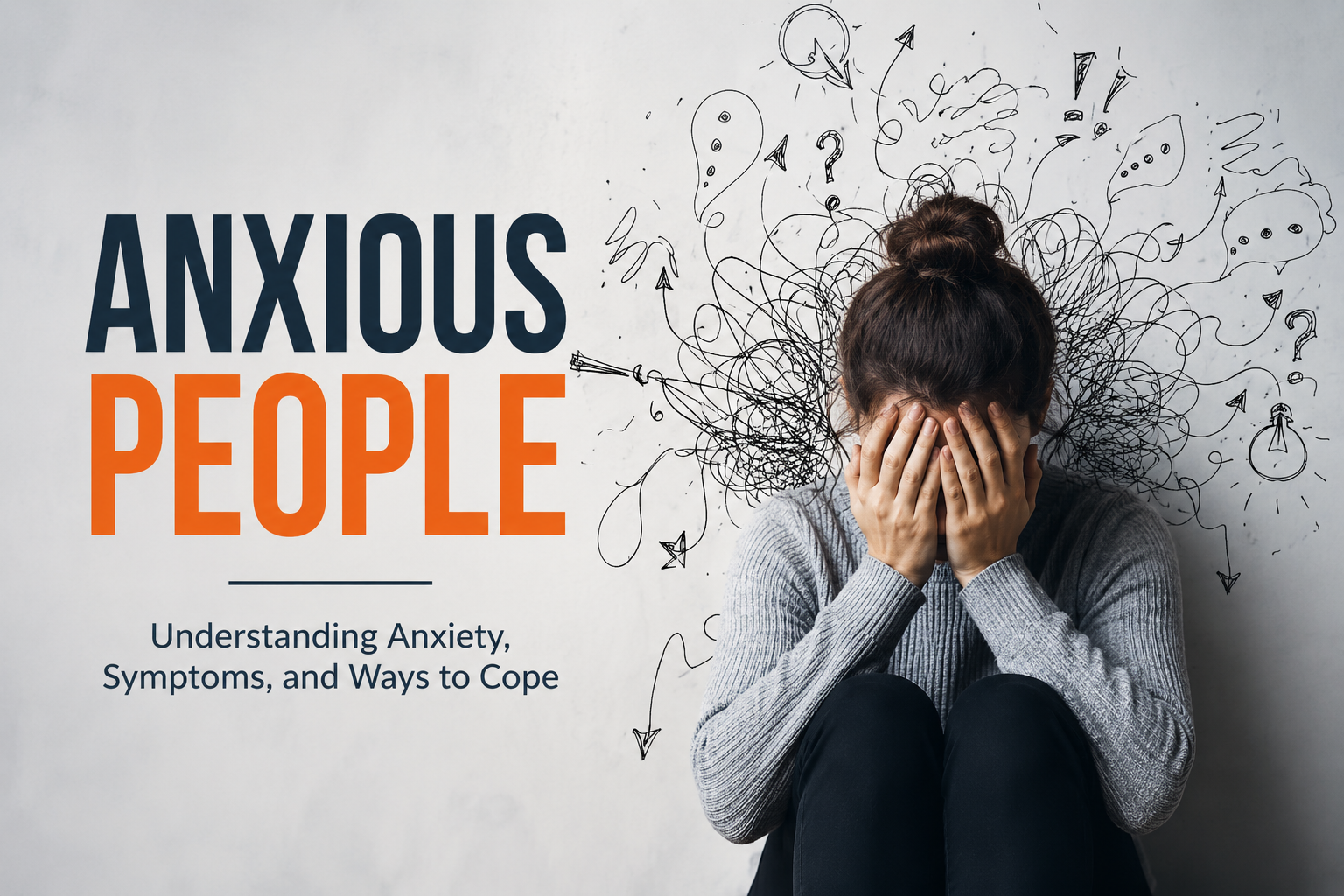
Anxiety is one of the most common emotional experiences people face today, yet anxious people are often misunderstood. From the outside, someone may appear quiet, organized, cautious, or even highly successful. Underneath the surface, however, they may be dealing with racing thoughts, overthinking, self-doubt, and a mind that rarely seems to rest. Anxiety is not always visible, and that is one reason many people struggle silently for years.
Modern life moves quickly. Expectations from work, family, relationships, and social media create pressure that can feel overwhelming. While everyone experiences stress at some point, anxious people often process situations differently. Their minds can become trapped in cycles of worry, imagining possible problems before they happen. Small concerns can feel much larger because the brain continuously searches for threats and uncertainty.
Understanding anxious people requires more than simply telling them to “relax” or “stop worrying.” Anxiety is not a choice. It is a complex emotional and psychological response influenced by personality, experiences, environment, and even biology. Learning how anxious people think and feel can help create stronger relationships, healthier communication, and greater empathy.
Why Anxious People Think Differently
Anxious people do not intentionally choose to overthink situations. Their minds naturally become more alert to possible risks and negative outcomes. This heightened awareness developed for survival purposes throughout human history. The brain learned to identify danger quickly, but sometimes that protective system becomes overly active.
For anxious individuals, everyday situations can trigger intense mental activity. A delayed text message might lead to thoughts about conflict or rejection. A minor mistake at work could feel like a major failure. While others may quickly move on from these situations, anxious people can replay them repeatedly in their minds. This pattern creates emotional exhaustion because the brain remains active long after the event has passed.
Many anxious people are also extremely thoughtful and observant. They often notice details that others miss. They may consider multiple outcomes before making decisions and frequently think about how their actions affect others. Although these qualities can be strengths, they can also become overwhelming when every possibility turns into another reason to worry.
Common Behaviors Seen in Anxious People
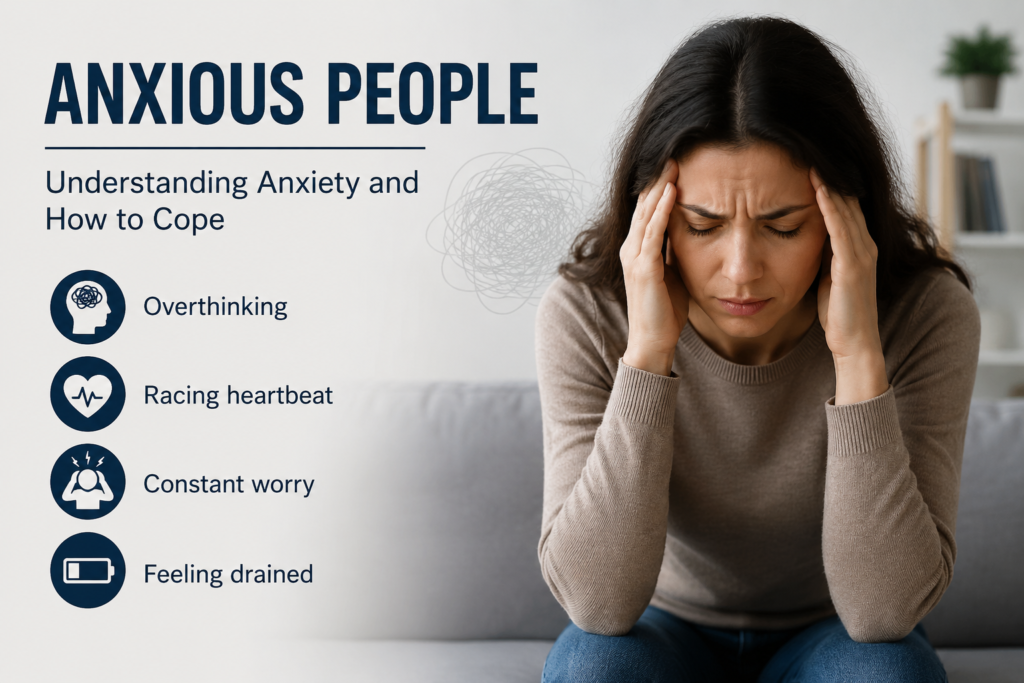
Anxious People Anxiety does not always look dramatic or obvious. People often imagine anxiety as panic attacks or visible nervousness, but many anxious individuals hide their struggles remarkably well. Some even become experts at appearing calm while dealing with intense internal stress.
Overthinking is one of the most common behaviors among anxious people. They may replay conversations repeatedly, wondering whether they said something wrong or offended someone unintentionally. A simple interaction can become a source of stress for hours or even days. Their minds continuously analyze details in search of certainty.
Another common behavior is seeking reassurance. Anxious people may ask others for confirmation about decisions, relationships, or situations because uncertainty feels uncomfortable. They are not necessarily lacking intelligence or confidence. Instead, they often want temporary relief from the uncomfortable feeling that something might go wrong.
Perfectionism can also appear frequently among anxious individuals. Some people believe perfectionism comes from ambition alone, but anxiety often contributes to it. Anxious people may believe that making fewer mistakes will reduce criticism, failure, or disappointment. Unfortunately, the pursuit of perfection often creates even more stress because perfection itself is impossible.
The Emotional Challenges Anxious People Experience Daily
Living with anxiety can feel like carrying invisible weight throughout the day. While others may not notice anything unusual, anxious people often manage continuous emotional pressure that affects their thoughts and energy levels.
One challenge is the constant expectation that something bad might happen. Even during peaceful moments, anxious people sometimes struggle to fully relax because part of their mind remains alert. Instead of enjoying the present moment, they may worry about future problems that have not even occurred.
Sleep difficulties are also common. The body may feel tired while the mind remains active. Thoughts about unfinished tasks, upcoming responsibilities, or personal concerns can make falling asleep difficult. Lack of rest then increases emotional sensitivity and stress, creating a cycle that becomes difficult to break.
Anxiety can also create feelings of isolation. Some anxious people hesitate to explain their thoughts because they fear being judged or misunderstood. They may worry that others will consider them weak or overly sensitive. As a result, many individuals keep their struggles private, even from close friends and family members.
Strengths That Many Anxious People Possess
People often focus on the difficulties associated with anxiety, but anxious individuals frequently possess qualities that deserve recognition. Anxiety does not define someone’s entire personality. Many strengths can exist alongside emotional challenges.
Empathy is commonly found among anxious people. Because they understand emotional discomfort, they often become highly sensitive to the feelings of others. They may notice when someone seems upset and offer support even before being asked. Their awareness can help create deep and meaningful relationships.
Anxious people are often responsible and prepared. Since they naturally think ahead, they may plan carefully and anticipate potential challenges. This ability can make them dependable employees, friends, and family members. They often take commitments seriously and work hard to avoid disappointing others.
Creativity can also be surprisingly common. Active minds that generate many thoughts and possibilities sometimes produce strong imagination and problem-solving abilities. Many anxious individuals channel their thoughts into writing, art, music, or innovative ideas. Their minds may create stress, but they can also create brilliance.
How to Support Anxious People Effectively
Supporting anxious people requires patience and understanding rather than frustration or judgment. Well-meaning advice such as “stop thinking about it” or “just calm down” usually does not help because anxiety is rarely controlled through simple instructions.
Listening without immediately trying to solve every problem can make a major difference. Sometimes anxious individuals simply want to feel understood rather than corrected. Knowing someone is willing to listen creates emotional safety and reduces feelings of loneliness.
Avoid dismissing their concerns entirely. Even when fears seem irrational from an outside perspective, those emotions feel real to the person experiencing them. Acknowledging their feelings does not mean agreeing with every fear. It means recognizing that their emotional experience matters.
Encouraging healthy habits can also provide support. Physical activity, good sleep habits, balanced routines, and relaxation techniques may help reduce stress levels over time. Professional support through therapy or counseling can also be valuable for individuals whose anxiety significantly affects daily life.
Conclusion
Anxious people live in a world that often moves faster than their minds can comfortably process. While they may appear calm on the outside, many experience internal struggles that remain invisible to others. Understanding anxiety requires empathy because the experience extends far beyond simple nervousness or temporary stress.
At the same time, anxiety does not eliminate strengths, intelligence, kindness, or potential. Many anxious individuals are caring, thoughtful, creative, and deeply aware of the people around them. Their challenges exist alongside remarkable qualities that deserve appreciation.
Creating a more understanding society begins with recognizing that mental and emotional experiences differ from person to person. Instead of judging anxious people for worrying too much, we can learn to listen more carefully and respond with compassion. Sometimes understanding another person’s invisible struggle can make a bigger difference than we realize.
You May Read Also: Bottomless Brunch York

