

Rue de Verneuil Paris is known for its grand boulevards, iconic monuments, and world-famous cafés, but some of the city’s most fascinating stories are hidden within its quieter streets. One of those unforgettable places is , a charming street tucked away in the heart of Paris. While it may not receive the same level of attention as the Champs-Élysées or Montmartre, carries a unique atmosphere that perfectly captures the artistic soul of the French capital.
From its elegant architecture to its deep cultural history, offers visitors an authentic Parisian experience. The street has become famous not only because of its beauty but also because of its connection to legendary artists, musicians, and intellectuals who once walked along its cobblestone paths. Whether you are a traveler searching for hidden gems or simply someone interested in Parisian culture, Rue de Verneuil deserves a closer look.
The Historical Background of Rue de Verneuil
Rue de Verneuil is located in the 7th arrondissement of Paris, one of the city’s most sophisticated and historically rich districts. Like many old Parisian streets, its origins date back several centuries. The area developed gradually as Paris expanded, eventually becoming home to aristocrats, writers, and influential cultural figures.
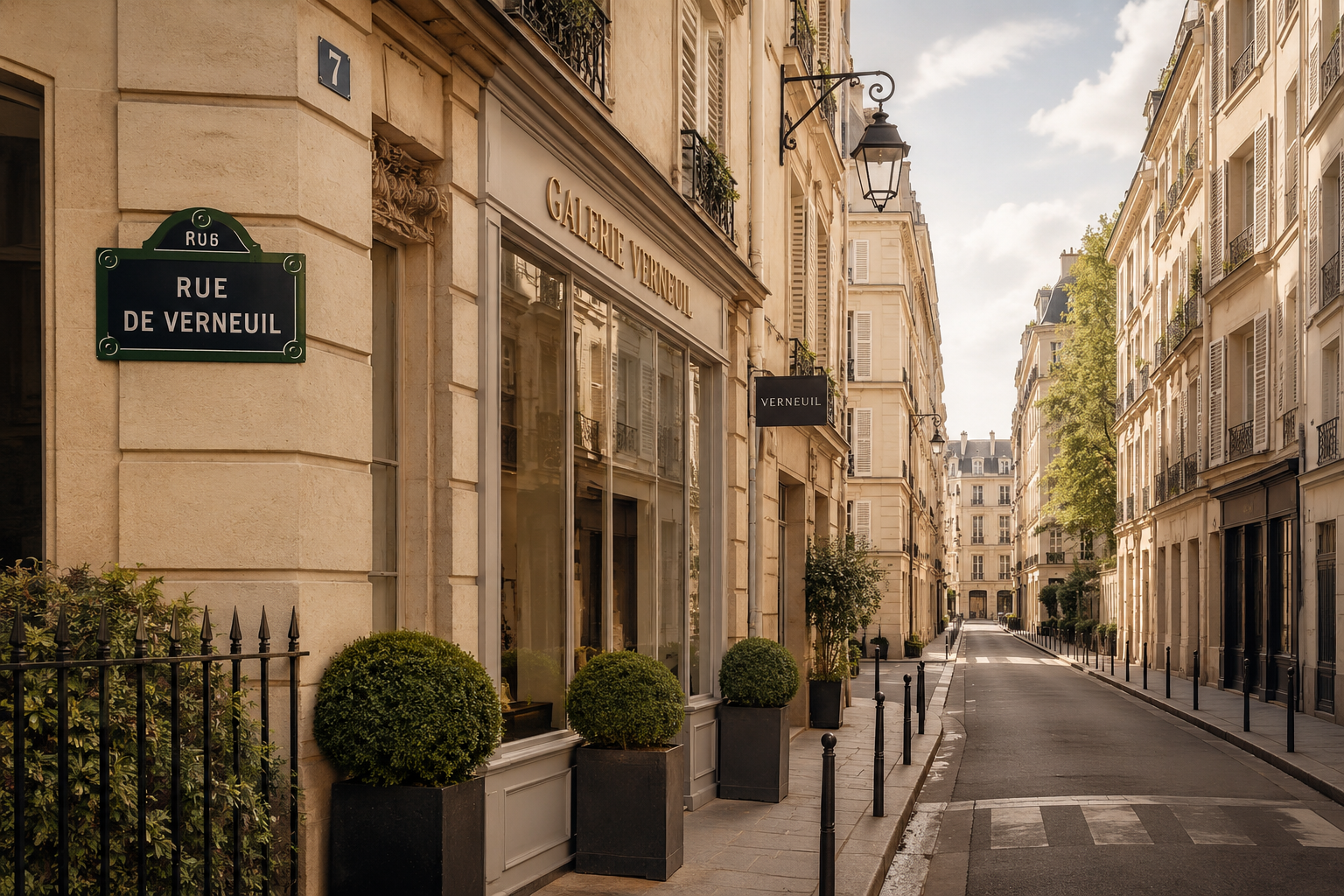
Walking through Rue de Verneuil feels like stepping into another era. The narrow street is lined with classic Parisian buildings featuring elegant balconies, large windows, and detailed stone facades. Unlike many heavily commercialized areas of Paris, Rue de Verneuil has managed to preserve much of its historical identity. This preservation gives the street a peaceful and authentic character that many visitors appreciate.
Over time, the street became associated with creativity and intellectual life. Artists and musicians were drawn to the calm atmosphere and central location. This artistic energy helped transform Rue de Verneuil into more than just a residential street. It became a symbol of Parisian culture and artistic expression.
Serge Gainsbourg and the Street’s Cultural Fame
One of the biggest reasons Rue de Verneuil became internationally recognized is its connection to the legendary French musician Serge Gainsbourg. The singer, songwriter, and actor lived at 5 bis for many years, and the location eventually turned into an important cultural landmark.
Even today, the exterior walls surrounding Gainsbourg’s former residence are covered with colorful graffiti, handwritten messages, and artistic tributes from fans around the world. People visit the site almost like a pilgrimage, leaving flowers, notes, and artwork to honor the musician’s memory. The wall itself has become an evolving piece of street art that reflects the emotional connection many people still have with Gainsbourg. Rue de Verneuil
What makes this location so fascinating is the contrast between elegance and rebellion. is quiet and refined, yet the vibrant graffiti outside Gainsbourg’s home introduces a bold artistic energy. This combination perfectly represents Paris itself—a city where tradition and creativity constantly coexist.
The influence of Serge Gainsbourg also helped shape the street’s modern identity. Travelers who may have never heard of Rue de Verneuil before often discover it through music history or popular culture. As a result, the street has gained an international reputation while still maintaining its intimate local charm.
The Architecture and Atmosphere of Rue de Verneuil
One of the most appealing aspects of Rue de Verneuil is its atmosphere. Unlike busy tourist zones filled with noise and crowds, this street offers a quieter side of Paris. The environment feels relaxed, elegant, and deeply authentic. Rue de Verneuil
The architecture plays a major role in creating this mood. Many buildings along Rue de Verneuil reflect classic Haussmann-style design, featuring symmetrical facades, wrought-iron balconies, and timeless stonework. These details contribute to the refined appearance that people often associate with Parisian beauty. Rue de Verneuil
Another interesting feature of the street is its balance between residential life and artistic culture. While tourists occasionally stop to photograph the famous Gainsbourg house, local residents continue their daily routines. You might see someone walking a dog, reading at a nearby café, or cycling quietly through the street. This mix of local life and cultural tourism gives Rue de Verneuil a very natural feeling. Rue de Verneuil
The street also changes beautifully throughout the day. In the early morning, it feels peaceful and almost cinematic. During the afternoon, soft sunlight reflects off the pale stone buildings, creating an unmistakably Parisian atmosphere. At night, the streetlights add warmth and romance, making the area feel even more magical. Rue de Verneuil
Why Rue de Verneuil Attracts Travelers

Rue de Verneuil Travelers are increasingly searching for experiences that feel authentic rather than overly commercialized. Rue de Verneuil fits perfectly into this trend because it offers a more intimate perspective on Paris. Instead of standing in long lines or rushing through crowded attractions, visitors can slow down and appreciate the city’s subtle beauty.
Many people visit Rue de Verneuil simply to explore its atmosphere. The street encourages wandering without a strict itinerary. Every doorway, balcony, and hidden corner seems to tell a story. This sense of discovery is one of the reasons why travelers often remember Rue de Verneuil long after their trip ends.
Photography enthusiasts are also drawn to the street because of its visual character. The combination of historical architecture, artistic graffiti, and soft Parisian lighting creates endless opportunities for memorable photos. It is one of those rare places where almost every angle looks effortlessly beautiful.
Food lovers can also enjoy the surrounding neighborhood. The 7th arrondissement is home to charming cafés, bakeries, and restaurants where visitors can experience traditional French cuisine. After exploring Rue de Verneuil, many tourists continue wandering nearby streets to enjoy coffee, pastries, or wine in a relaxed Parisian setting.
The Artistic Spirit That Defines Rue de Verne
Art has always been deeply connected to Paris, and Rue de Verneuil reflects this creative heritage in a subtle but powerful way. Even though the street itself is relatively small, it carries a strong artistic identity that continues to inspire visitors.
Street art near Serge Gainsbourg’s former residence constantly evolves, transforming the area into a living canvas. New messages and illustrations regularly appear, allowing different generations of fans to leave their mark. This ongoing artistic interaction keeps the street culturally alive rather than frozen in history.
Beyond the graffiti, the entire atmosphere of Rue de Verneuil feels creative. Writers, photographers, musicians, and filmmakers often find inspiration in places like this because the street captures the emotional essence of Paris. It is elegant without feeling artificial and historic without seeming outdated.
The artistic spirit of Rue de Verneuil also reflects a broader truth about Parisian culture. In Paris, beauty is often found in ordinary moments and hidden locations rather than only in famous landmarks. A quiet street, an old doorway, or a handwritten message on a wall can become meaningful artistic experiences.
Tips for Visiting Rue de Verneuil
If you plan to visit Rue de Verneuil, it is best to approach the experience slowly. The street is not a major tourist attraction filled with activities or entertainment. Instead, its value comes from observation, atmosphere, and appreciation of detail.
Morning and late afternoon are excellent times to explore because the lighting is especially beautiful and the street feels calm. Comfortable walking shoes are also a good idea since the surrounding neighborhood is perfect for wandering on foot.
Visitors should remember that Rue de Verneuil is still a residential area. Respecting local residents and maintaining a quiet atmosphere helps preserve the charm that makes the street special in the first place.
It is also worth exploring nearby attractions within the 7th arrondissement. The area offers easy access to museums, historic buildings, and the Seine River. Combining Rue de Verneuil with a broader walking tour can create a more complete and rewarding Paris experience.
Final Thoughts on Rue de Verneuil
Rue de Verneuil may not be the most famous street in Paris, but it represents many of the qualities that make the city unforgettable. It blends history, art, music, architecture, and everyday life into one beautifully preserved location. The street’s quiet elegance offers a refreshing contrast to the busier parts of Paris, allowing visitors to experience a more authentic side of the city.
Its connection to Serge Gainsbourg adds emotional and cultural depth, while the surrounding architecture and atmosphere create a timeless Parisian setting. Rue de Verneuil is proof that some of the most memorable travel experiences happen away from the major tourist crowds.
For anyone interested in discovering the artistic soul of Paris, Rue de Verneuil is more than just a street. It is a living reflection of creativity, history, and Parisian identity that continues to inspire everyone who walks through it.
You May Read Also:

